2. По черзі складають речення про шопінг у Києві, використовуючи ці слова.
Приклад: “If I go to Ocean Plaza, I usually spend all my money on clothes.” (Слово spend викреслюється).
Закріплення лексики (Reading & Paraphrasing)
Назва: “Kyiv Shopping Guide: Explain the Words”
Читання ланцюжком тексту. Коли учень доходить до виділеного слова, він зупиняється і пояснює його англійською (paraphrasing).
Текст для читання:
“Yesterday, Max and I had a long walk around the city. First, we went to a baker’s (1) near Zoloti Vorota because Max wanted a snack. He looked at the prices and realized he couldn’t afford (2) even a small bun. He was short of money (3) because he had spent everything the day before. He asked me: ‘Can I borrow (4) some cash? I will pay you back (5) tomorrow!’ I gave him some money, but now he owes (6) me 100 UAH. Later, we found a cool charity shop (7). Max wanted to buy a vintage sweater, but his elbow (8) started to ache (9) because of his heavy backpack. We decided to find a chemist’s (10) for some gel. By the end of the day, we had run out of money (11). We bought a takeaway (12) pizza. I told Max to save up (13) instead of wasting (14) money!”
Командне змагання
Назва: “Kyiv Monopoly: Tic-Tac-Toe”
Діяльність:
Клас ділиться на дві команди (“X” та “O”).
Команди готують список слів (із вивчених на уроці) для суперників.
Щоб поставити свій знак у клітинку, команда має скласти правильне речення із заданим словом про Київ.
Giving advice depending on virtual background
Give advice what to visit in Kyiv to buy something to eat ententertain. Pay attention to nationality of a foreigner or the weather.
. Role A (Blogger): You are a local expert. You love Kyiv, but you know how to save money.
Role B (Follower): You have only 1000 UAH. You are hungry and want to see the city.
Vocabulary Checklist (Must use):
Afford
Waste
Takeaway
Short of money
Граматичний інтенсив
А. Gerund or Infinitive?
Завдання: “The True for You Challenge”. Оберіть форму та доповніть речення правдою про себе:
I can’t afford to buy… (a new smartphone).
I enjoy spending… (time in a coffee shop) with my friends.
I avoid wasting… (money) on things I don’t need.
I’ve decided to save up… (for a new bike).
I don’t mind borrowing… (my things) to my classmates.
I hope to get a refund… (for these broken headphones).
Робота з підручником: WB впр. 5, стор. 82.
Б. Second Conditional
Робота з підручником: WB впр. 6, стор. 83.
Рефлексія
Назва:
Учні заповнюють свій «чек» за урок:
Learnt Cлова, які запам’яталися.
Understood Граматичне правило, яке стало зрозумілим.
Wishlist (Хочу повторити): Що ще важко і треба розібрати перед контрольною.
Додатково (Kyiv Shopping Map): Назвати найкраще місце в місті, щоб:
Освітні: Практикувати правильне використання герундія та інфінітива після певних дієслів; розширювати словниковий запас, пов’язаний з дорожніми витратами та покупками.
Розвиток: Покращувати розмовні навички через дебати та ігри; розвивати критичне мислення щодо фінансової грамотності під час перебування за кордоном.
Соціокультурні: Обговорювати розумні звички витрачання коштів та культурні відмінності у покупках.
I. Introduction & Warm-up
1. Review of Previous Topic
Quick fire questions: “What was the most important thing we learned last time?”
Recall 3-5 verbs that were studied in the previous session.
2. Meme Work: “The Tourist Trap”
Teacher shows a meme
Task: Students must “voice” the meme using the target grammar.
Example: “I decided to buy this rock for $50 because the seller promised to give me luck.”
II. Grammar Practice (Gerund vs. Infinitive)
3. Categorization: “Stand up / Sit down”
The teacher calls out a verb.
Stand up if the verb is followed by an Infinitive (e.g., want, hope, decide).
Stay seated if the verb is followed by a Gerund (e.g., enjoy, avoid, suggest).
4. Tricky Words & Meaning
Discussion: Which verbs change meaning? (Remember, Stop)
5. Library Book Exercise
III. Interactive Games
6. Tic-Tac-Toe (Noughts and Crosses) – making sentences
7. SB p. 79, Ex. [Number]
8. Error Correction (Pair Work)
Check the sentences. If a sentence is correct, put a tick (V). If it is wrong, correct the mistake.
I am planning to visit the local market to buy some souvenirs tomorrow.
My friend suggested to go to the duty-free shop before our flight.
You should avoid carrying too much cash when you travel abroad.
I don’t mind paying a bit more for a high-quality leather bag.
We decided taking a taxi to the shopping mall because it was raining.
Don’t forget to buy some sunscreen when you get to the beach.
I really enjoy to walk around old European streets and looking at shop windows.
The shop assistant offered to help me find the right size of the jacket.
You must stop to spend all your money on things you don’t actually need!
I hope seeing the famous Christmas markets in Vienna this winter.
Мета: Вивчити назви етапів навчання та дієслова, пов’язані зі школою; обговорити важливість освіти.
1. Warming-up (Введення в тему) — what do you associate with the word SCHOOL
SB p. 64 “What can you see?” (Water? Bridge? Backpack?).
Питання для обговорення: “Is it easy or difficult for these children to go to school?” 2. Vocabulary Presentation (Робота з лексикою) —
Розберіть слова з перекладом.
Активність “Word Ladder” (Сходинки): На дошці малюємо сходинки. Разом з учнями розставляємо слова в логічному порядку: Учні мають пояснити кожен етап (наприклад: “In primary school, you are 6 years old”).
Primary school (найнижча сходинка)
Secondary school
Year (наприклад, Year 11)
Qualifications (іспити в кінці школи)
Undergraduate (вступ до університету)
Degree (диплом/степінь)
3. Practice
Taboo” (Табу) – учень має пояснити слово зі списку
вправу2- 3
4. Controlled Speaking
Agree or Disagree” (Дискусія до вправи 5)
Це завдання ідеальне для розвитку критичного мислення.
Механіка: Розмістіть у різних кутах кімнати (або віртуальної дошки) написи “Strongly Agree” та “Strongly Disagree”.
Discussion
When do you want to break up for summer?” (June? May? July?)
“How many weeks of holiday do we need after each term?”
“Is one Year of school too long? Should it be shorter?”
“What qualifications do you need for your dream job?” (Doctor? Blogger? IT?).
“If you do badly in a test, should you have a second chance?”
Would you like to attend a boarding school like Hogwarts (Harry Potter)?”
“Was life easier in primary school? Why?”
“Is it better to attend school every day or stay at home for online lessons?”
Do you want to be an undergraduate in Ukraine or abroad?”
Is a university degree necessary to be successful today?”
What subject do you want to get a degree in?” (History? Math? Art?)
5. Game: “Who am I?” (Хто я?) — 7 хв.
Механіка: Ви викликаєте одного учня до дошки, він стає спиною. Ви пишете над його головою слово (наприклад, Undergraduate або Primary student).
Клас дає йому підказки: “You are 7 years old” або “You study at University”.
Учень має вгадати слово. (Зробіть 2-3 раунди з найпростішими словами).
6. Wrap-up & Homework (Підсумок)
Рефлексія: Запитайте, яке слово було найважчим сьогодні.
Активізувати та закріпити лексику з теми “Body Parts, Injuries, Treatments”.
Розвивати говоріння, аудіювання та розуміння на слух через персональні та парні вправи.
Формувати навички опису травм, симптомів та надання порад у контексті «У лікаря».
Працювати в команді та індивідуально для розвитку логічного мислення та уваги до деталей
Сприяти розвитку умінь, необхідних у реальних життєвих ситуаціях: описати травму, пояснити симптоми та дотримуватися правил безпеки.
Хід уроку
1 Warm-up
Name 3
Name 3 parts of the face
Name 3 internal organs
Name 3 parts of the leg
Name 3 parts you can bend
Name 3 bones
Name 3 parts above the waist
Вправа «Label the Action» (Активна анатомія) Спробуй виконати дію і назвати частину тіла англійською:
Touch your eyebrows with your thumbs.
Stand on your left heel.
Put your hands on your waist.
Touch your shin with your opposite elbow.
2. Практика використання слів
Перевірка дз – WB ст. 30, впр. 3
Odd One Out» (Зайве слово) або онлайн вправа
Ankle, Wrist, Knee, Heart. (Зайве: Heart, бо воно всередині, а інші — суглоби).
Eyelid, Eyebrow, Cheek, Shin. (Зайве: Shin, бо воно на нозі, а інші — на обличчі).
Skull, Spine, Rib, Blood. (Зайве: Blood, бо це не кістка).
lung – kidney – heart – eyebrow
shin – calf – thigh – brain
lip – cheek – chin – rib
stomach – intestine – kidney – thumb
Mystery Part” (Відгадай частину тіла). Вчитель описує функцію — учні вгадують слово.
It helps you think. → brain
You use it to chew. → jaw
It connects your hand and your arm. → wrist
It protects your brain. → skull
You bend it when you walk. → knee
Складання муляжу внутрішніх органів, учні називають їх і називають їхні функції.
Мінідискусія
Which body parts do people usually hurt when they do спорт or exercise (knee, ankle, muscle, shoulder, etc.)?
Have you ever hurt anything?
When you are tired, what hurts more — your head (brain), your back (spine), or your legs?
SB ст. 122, впр. 1 3F – робота з омонімами (homonyms)
Практика написання слів.
Робота в командах – написання частин тіла за категоріями (роздатковий матеріал)
Гра «Бінго» – учні пишуть в клітинках слова під диктовку, а потім складають речення, закреслюють слова і у кого першого підряд закреслені слова – кричать «Бінго»
3. Введення та практика вживання нових слів – “Injuries. Treatments”
Let’s talk
What are some common reasons people go to the doctor?
How often should one visit the doctor for a check-up?
How do you feel when you have to visit the doctor?
What advice would you give someone who is nervous about visiting the doctor?
Робота із зображеннями нещасних випадків.
What injuries can we get in a car crash, falling off a bike, slipping on ice.
SB ст. 32. Впр. 7 – treatments – пояснення значення. Вчитель задає питання для розуміння
Що покладемо у шкільну аптечку, домашню? SB ст. 32. Впр. 9 – значення фраз подається з використанням зображень
4. Робота з аудіюванням впр. 7-8, ст. 31 SB
Body Part Risk” (Ризик для частин тіла)
Вчитель називає частину тіла з вправи 2, а учні мають сказати, яка травма там найбільш імовірна:
Forehead: “You can bang your head.”
Wrist: “You can sprain it.”
Thumb: “You can trap it in a door.”
Thigh: “You can bruise it during sports.”
5. Вживання нових слів у мовленні. Складання мініндіалогів «У лікаря»
Guess the First Sentence – робота в парах
Read the replies below. Think about the treatments.
“I fell off my bike this morning.” 2️⃣ “I cut my finger while cooking.” 3️⃣ “I bumped my head on the door.” 4️⃣ “I twisted my ankle during PE class.” 5️⃣ “I have a terrible stomachache.” 6️⃣ “I burned my hand on a hot pan.” 7️⃣ “I was in a small car crash yesterday.” 8️⃣ “I got stung by a bee while playing outside.” 9️⃣ “I can’t stop coughing and my throat hurts.” 10️⃣ “I fainted at school yesterday
What possible questions can be?
Можливі питання:
“What happened to you today?”
How did you hurt your finger?”
“What happened to your head?”
“Which part of your body did you hurt?”
“How did you burn your hand?”
“What happened to you at school?”
Speaking Activity
Складання мініндіалогів «У лікаря»
Діти мають розповісти, що передувало травмі, що трапилося, а лікар або медсестра дає поради.
Self-Assessment (Самооцінка) з використанням термометра
Постав собі оцінку на термометрі:
Наскільки я можу назвати частини тіла англійською?
Мета:Навчальна: активізувати лексику (attend, degree, primary/secondary school), вдосконалювати навички читання (skimming & scanning), вчити описувати різні типи освітніх середовищ.
Розвивальна: розвивати критичне мислення через порівняння шкіл, творчі здібності та емоційний інтелект.
Виховна: формувати глобальну обізнаність та вдячність за власні умови навчання.
I. Warm-up
Metaphorical Cards “What are you expectations for today?” – учні обирають метафоричну картку, обирають її і говорять свої очікування на день.
Choose one that represents your mood or your expectations for today.
II. Vocabulary Revision and Checking your HW – WB
Checking our ‘school’ words
Quizlet Live. Or Word Association on the board – учні пишуть на дошці слова-асоціації зі школою, які вони вчили на попередньому уроці.
Finish the Sentence
I attend… / I am in Year… / I want to get a degree in…
Quick Match
З’єднати:
attend → school get → a degree do → well primary → school secondary → school
Quick Match & Erase
Use the phrase in a sentence about your life, then erase it from the board – діти складають речення зі словами на дошці
Answering the questions. Відповіді на питання – кожен учень отримує питання із активною лексикою і відповідає на нього.
III. Pre-reading & Scanning
Робота із зображеннями класів різних країн What is in your classroom?
What do we usually have in the classroom? – опис різних класний кімнат за допомогою опор, а потім без них
Hogwarts, Green School Bali, Harvard Universiti classroom або MozaBook
Do all classrooms look the same?
Vocabulary Work from the text (виділені слова) SB ст. 65, впр. 4
IV. While-reading
Emoji Skimming
Поки учні швидко переглядають текст (skimming).
Which school did you like and which one didn`t like? – вони мають намалювати емодзі відповідного імені, чия школа їм сподобалася найбільше (наприклад, для Джека, для Кеті, для Джорджі).
SB ст. 65, впр. 3
Answering the Questions:
1.Why did Jack decide to apply for a job at the Green School in Bali?he wanted to make a big change in his life
2.Was Katie’s classroom in Samoa very unusual or was it ordinary? ordinary What things were inside? Desks, a blackboard, walls covered with colourful pictures and writin, Hardly any computers
3.Why did the teacher’s grandfather make a beautiful wooden chair? What did they celebrate? celebrate her first job.
4.In Georgie’s story about Cuba, was the classroom surrounded by walls or surrounded by trees? surrounded by trees
5.Did the parents in Cuba put a lot of effort into the school? What did they build? built several outdoor classrooms
Classroom Detectives
Open your ‘Dossiers’. Find the proof in the text to solve the cases. For example, find evidence that Katie’s school was artistic.”
(Учні заповнюють таблицю з іменами та шукають в тексті цитати( Jack/Katie/Georgie).
Classroom Detectives
Instructions: Look at the “Evidence” (the clues) and find the name of the person (Jack, Katie, or Georgie) whose story proves it. Write the name and the short proof from the text.
#
Evidence (The Clue)
Person
Short Proof (Quote from text)
1
Evidence of artistic decoration on the walls.
Katie
“walls were covered with colourful pictures”
2
Evidence of international students in one place.
Jack
“from 35 different nationalities”
3
Evidence of a classroom without any walls.
Georgie
“another one surrounded by trees”
4
Evidence that students really enjoyed the lesson.
Georgie
“the children enjoyed it because…”
5
Evidence of a handmade object given by a relative.
Katie
“wooden chair that her grandfather had made”
V. Post-reading & Discussion
Відповіді на питання в SB ст. 65 Talking Points
Role-Play “School Job Fair”
Розділіть клас на три групи. Кожна група – це «рекламне агентство» однієї зі шкіл (Балі, Самоа або Куба). Вони мають за 2 хвилини переконати решту класу, що саме їхня школа найкраща для навчання чи роботи.
VII. Reflection (Рефлексія) and Evaluation
Мета: Підбиття підсумків, самооцінювання та емоційне завершення уроку.
The “3-2-1” Strategy
Teacher: “Before you leave, let’s look back at our journey today. On a small piece of paper (or out loud), tell me:
3 new words you’ve memorized today.
2 things that surprised you about schools in other countries.
1 question you still have or one thing you are grateful for in your own classroom.”
VIIІ Homework
Creative Task: “Classroom 2050, Making and advertisement”
Учням потрібно придумати одну «дику» деталь для їхнього ідеального класу, натхненну текстом (наприклад, стіни з живих квітів, як на Кубі, або сонячні панелі, як на Балі).
Напишіть 3 речення-оголошення про набір учнів у ваш новий клас і перелічіть унікальні переваги вашого класу (6-7 речень).
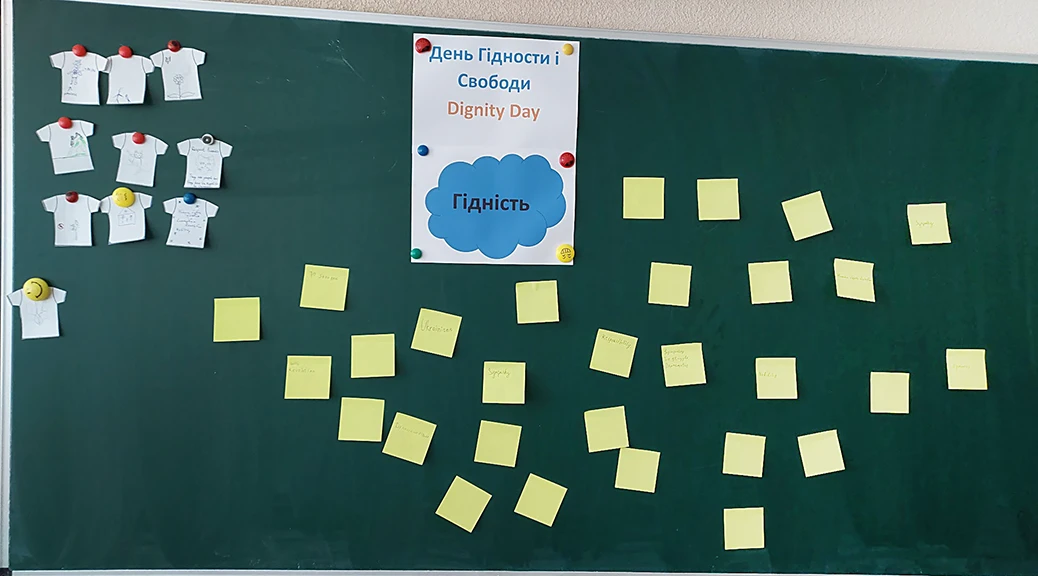
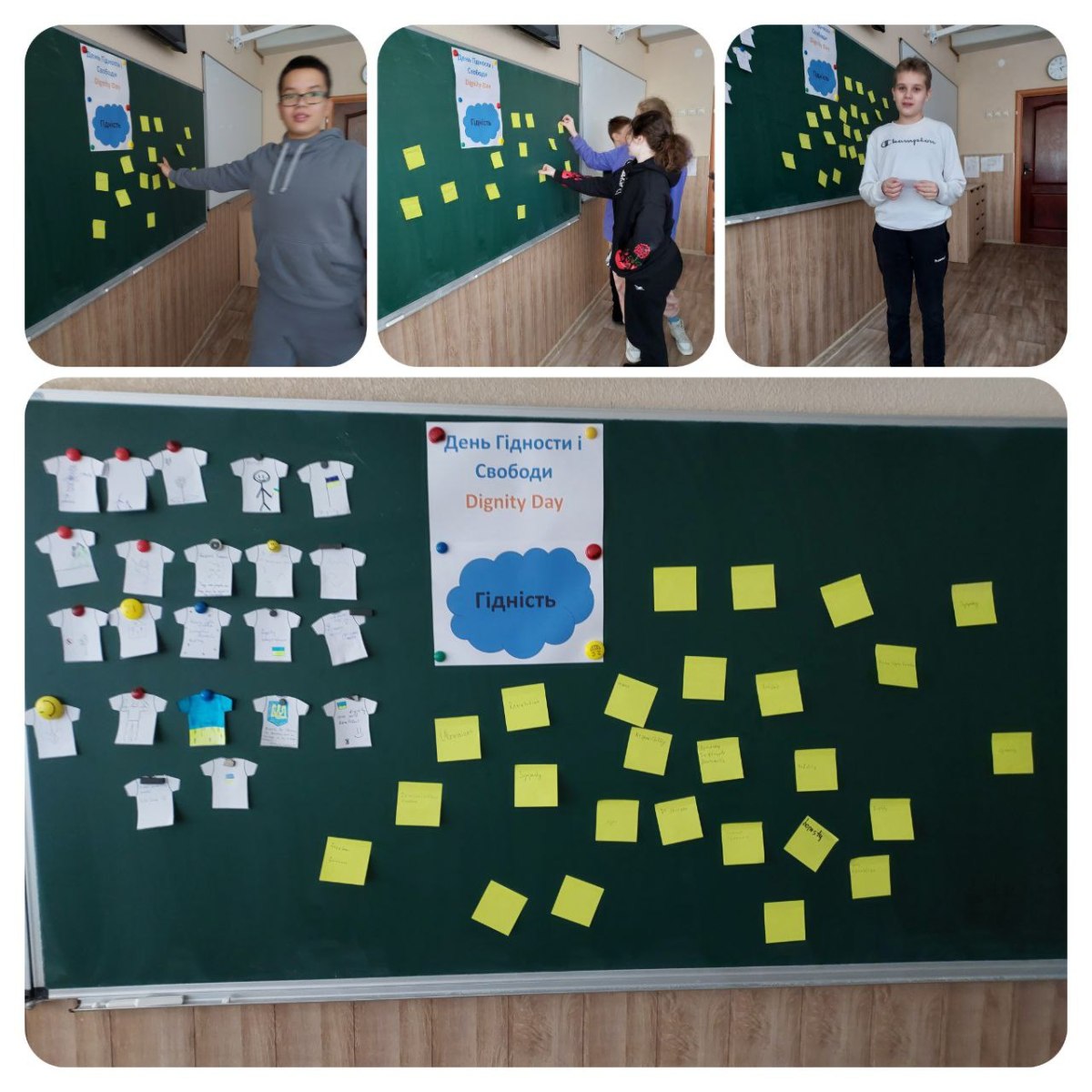
Сьогодні на уроці англійської мови учні 8-х класів занурилися в тему, що відгукується в серці кожного українця – День Гідності та Свободи, “Dignity Day”. Діти поділилися своїми асоціаціями зі словом “гідність”. Для кожного воно має особливий зміст – від чесності й самоповаги до свободи вибору та любові до рідної землі. Учні прослухали Гімн Гідности та проаналізували його текст, виділили ті фрази, які найбільше резонували з їхніми почуттями. Це був момент справжнього натхнення! Через метафоричні картки діти досліджували, як виглядає гідність у житті кожного з нас. Це допомогло їм глибше усвідомити, що гідність – це не лише слово, а й спосіб мислення, дій і взаємин. На завершення ми розглянули, що ж означає гідність по-українськи – від історичних подій до сучасних героїв, які щодня боронять свободу нашої країни.
Цей урок став чудовою нагодою вкотре замислитися про важливі цінності та зміцнити почуття гордості за свою країну. 💙💛
Developmental Objective: Enhance students’ vocabulary on the topic of dignity, human rights, and moral values; improve their speaking, reading, and writing skills in English.
Educational Objective: Introduce the concept of dignity and its importance in individual and societal life; foster an understanding of respect, tolerance, and equality.
Personal Growth Objective: Cultivate a sense of self-respect and respect for others; encourage critical thinking and the ability to express personal opinions on ethical issues.
By the end of the lesson, students will be able to:
Define “dignity” in English and explain its meaning.
Provide examples of situations where dignity plays a key role.
Share their opinions about the importance of dignity in daily life and society.
Write a short essay or speech on the topic: “What does dignity mean to me?”
New words
Dignity – гідність
Responsibility – відповідальність
Sympathy – співчуття
Nobility – благородність
Decency – порядність
Goodwill – доброзичливість
Corruption – корупція
Revolution – революція
Democratic rights – демократичні права
Freedom – свобода
To struggle – боротися
Treat with respect – сприймати з повагою
To fight – боротися, битися
Strike- страйки, страйкувати
Human rights violation – порушення прав людини
labels and assumptions – ярлики і припущення
Nerd, swort – ботан
World Dignity Day is an independent project that makes young people to feel their dignity in everyday life.
Mindmap – what words do you associate with dignity?
In support of World Dignity Day, musician Dave Stewart wrote a song “Dignity”, which became the world anthem of dignity. Its premiere took place at the forum before the World Day of Dignity in Helsinki (Finland). There were 1,000 participants of the forum. Lyrical hip-hop singer Nadira-X performed the song.
Using the picture as a symbol / hint, think about how you understand the word “dignity”?
Write it down your ideas.
Labels prevent us from seeing a person’s personality and dignity.
The Coca-Cola Middle East team made a video about labels and assumptions. Six strangers gathered in one room and talked about themselves. All this happened in total darkness, so everyone could form their own idea of the person who was speaking. https://www.youtube.com/watch?v=U39xcsaiBas
Have you ever experiences labels and assumptions in your life?
Pictures with people – giving the labels
9. DIGNITY IS:
*listen respectfully to those whose ideas differ significantly from yours
own;
the feeling that your ideas have no weight;
feeling sorry for someone who has less opportunities than you;
*realization that even robbers are people;
a feeling of pity for a girl who is not allowed to go to school;
feeling that you deserve special treatment because of the material
your family’s wealth;
*an understanding that even those people who do terrible things have
dignity;
*sorry when you make a mistake;
not to trust a person because his religious beliefs are not the same as yours;
*contribute to ensuring that every person has access to food,
housing, security, opportunity and freedom;
feeling that your religion, country and customs are the best in the world;
*understanding that you are important and that your actions have weight;
*invite someone to play with you and become your friend
or girlfriend;
forgetting to praise someone for doing something very well;
*thanks for the help provided;
tell someone you don’t like them.
10 Our constitution of dignity
Our dignity is interconnected with the dignity of other people. But what does —
respect someone’s dignity? Here’s how Donna Hicks, Ph.D., explains it in ten steps
Harvard University, well-known and authoritative on the topic of dignity.
WHEN I RESPECT SOMEONE’S DIGNITY, THEN I:
1) I accept the personality and identity of a person and give him the freedom to express himself as such,
as she is, without fear of being condemned;
2) I recognize the unique qualities of a person, his talents and way of life and appreciate his merits, contribution,
ideas and experience;
3) make it feel that I recognize everything seen and heard by a person, react to his concerns
and what she had to go through;
4) involve the community / company, help a person to feel part of it;
5) I help a person feel safe — both physically and emotionally, by protecting
from fear of shame or humiliation;
6) treat people fairly, without prejudice and inequality;
7) I give a person a sense of freedom and independence, help him feel hope and opportunities;
8) I seek understanding and give a person the opportunity to explain his experience and perspectives;
9) help a person get the benefit of the doubt, starting with the fact that he has a good one
motives and acts holistically;
10) I apologize and take responsibility if I violate the dignity of a person, I take it upon myself
commitment to change harmful, unworthy behavior.
Mark – what of this you do, and what – not. Why? By completing this task online, you can show “thumbs up” / green card if “yes” and “thumbs down” signs /
red card if “no”.
11. Dignity in our daily lives
What worthy deeds – “small” or “big” – do you do or observe every day?
Print out a t-shirt mockup and design it with some stickers that, in your opinion, reflects the meaning of the concept of “dignity”.
Conclusion:
Summarize the key points discussed during the lesson, emphasizing the meaning of dignity and its importance in everyday life.
Reiterate how respecting others and oneself contributes to a harmonious and fair society.
Encourage students to take the principles of dignity beyond the classroom, applying them in their relationships and actions.
Example Teacher’s Closing Statement: “Today, we explored what dignity means and why it matters. Remember, showing respect and valuing others’ rights and feelings is a choice we make every day. Let’s strive to create a world where dignity is a value we all uphold.”
Reflection Activity:
Think-Pair-Share: Ask students to reflect individually on the following question: “What is one thing you learned today that changed the way you think about dignity?” Then, let them share their thoughts with a partner and finally with the class.
Exit Tickets: Provide students with small cards where they write their responses to these questions:
One word to describe what dignity means to me.
One action I can take to show dignity to others.
Group Discussion: Encourage an open discussion where students share their reflections on the lesson and how they plan to practice dignity in real life.
Final Motivational Note:
End the class on an inspiring note by quoting a famous saying about dignity: “Dignity does not come from power or position. It comes from respect and humanity.”
Thank the students for their participation and encourage them to continue thinking about and practicing the values discussed.
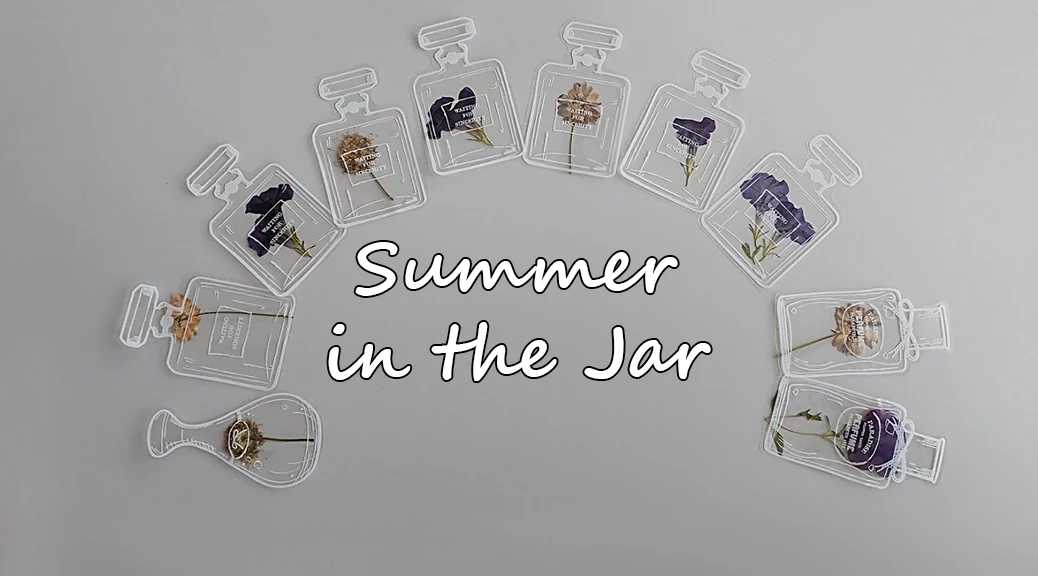
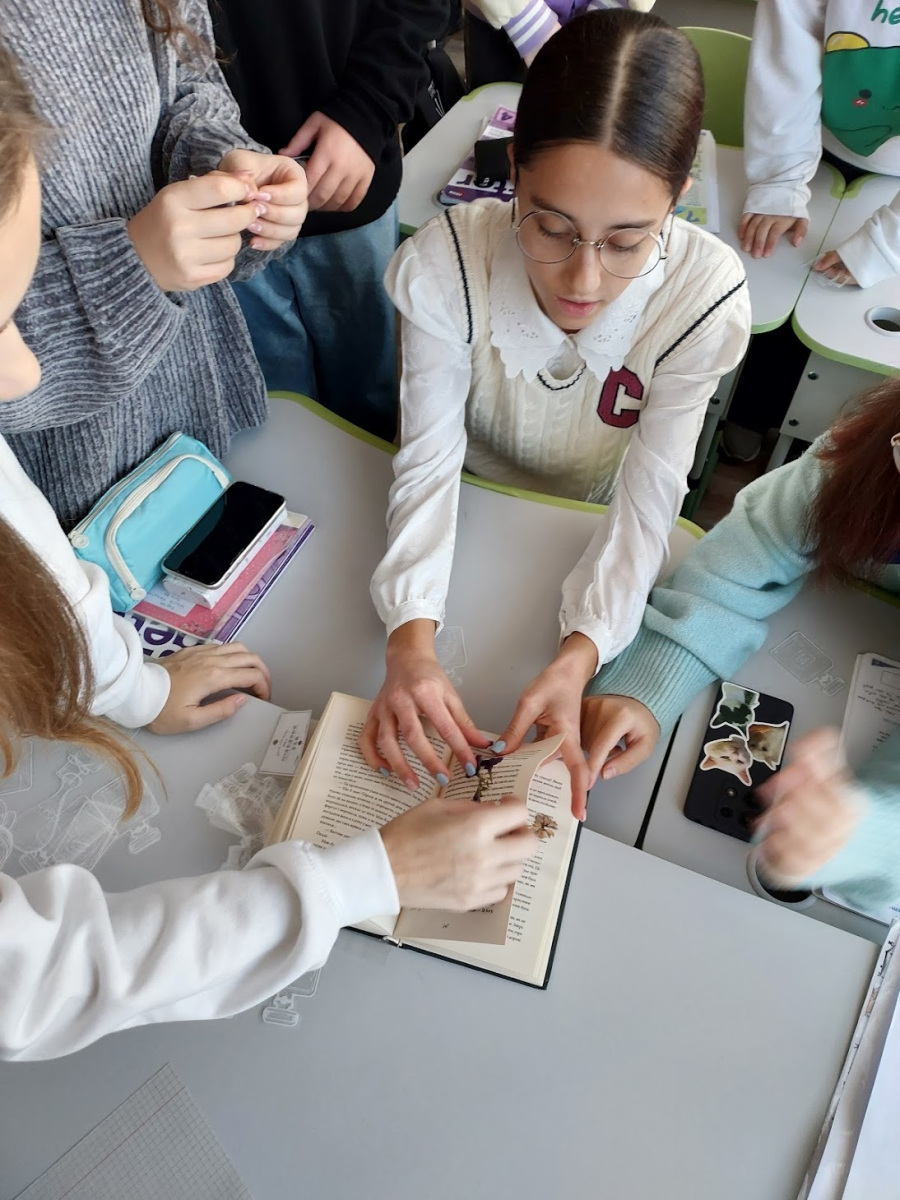
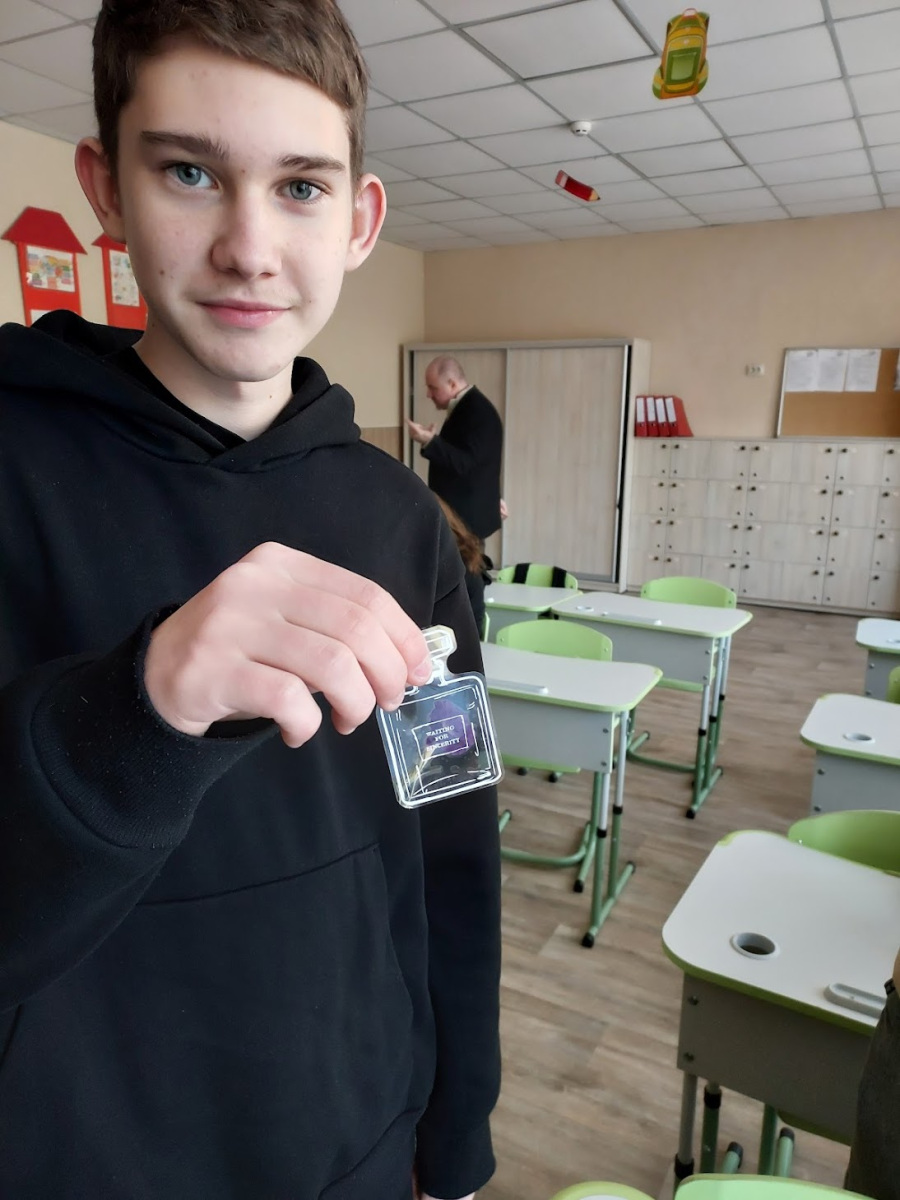
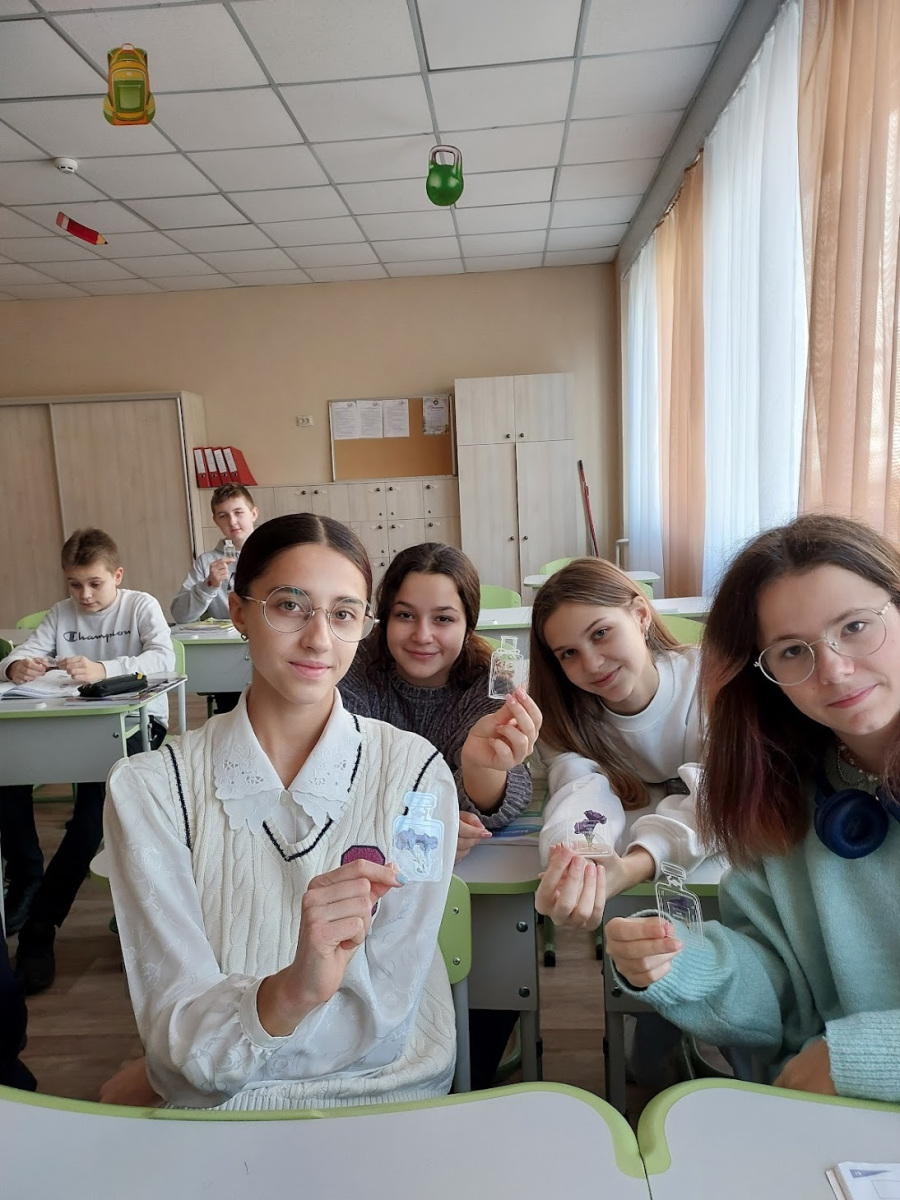
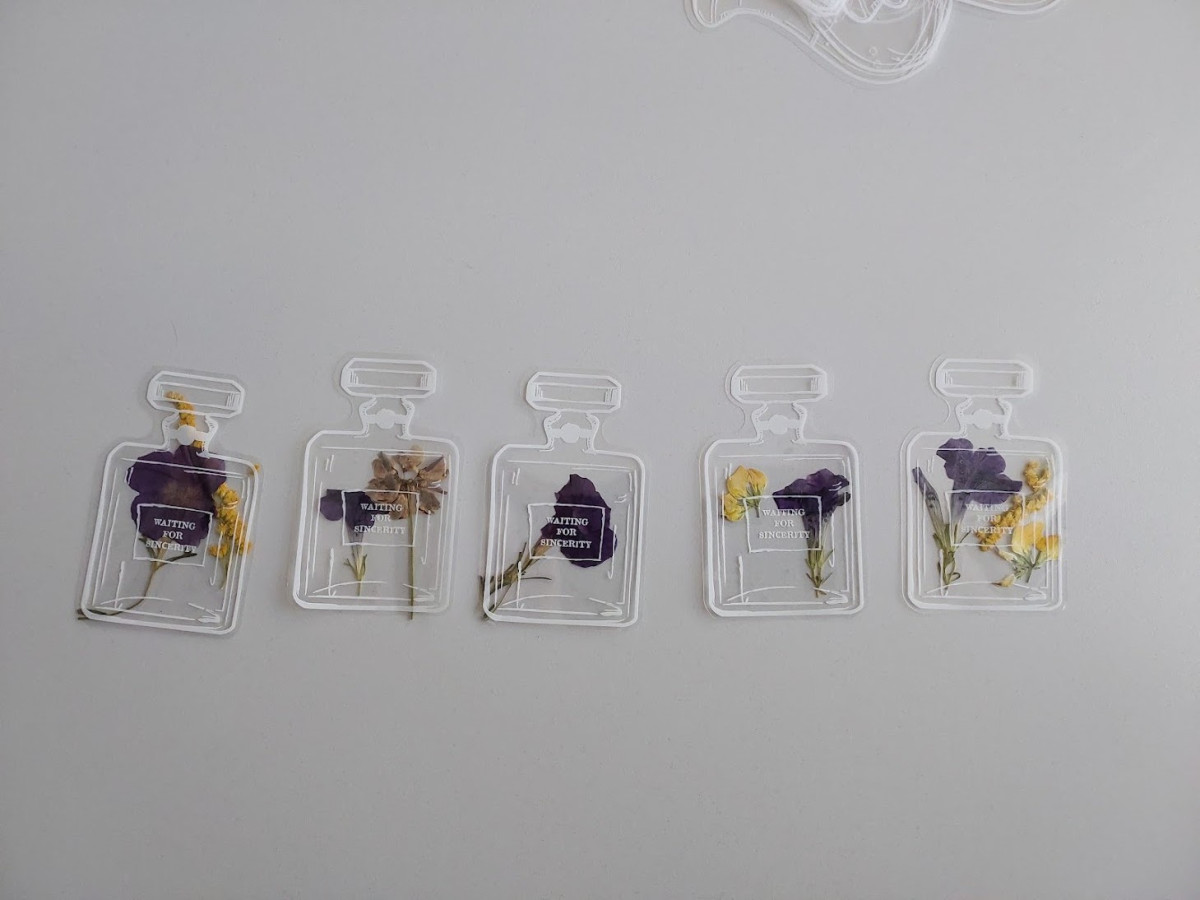
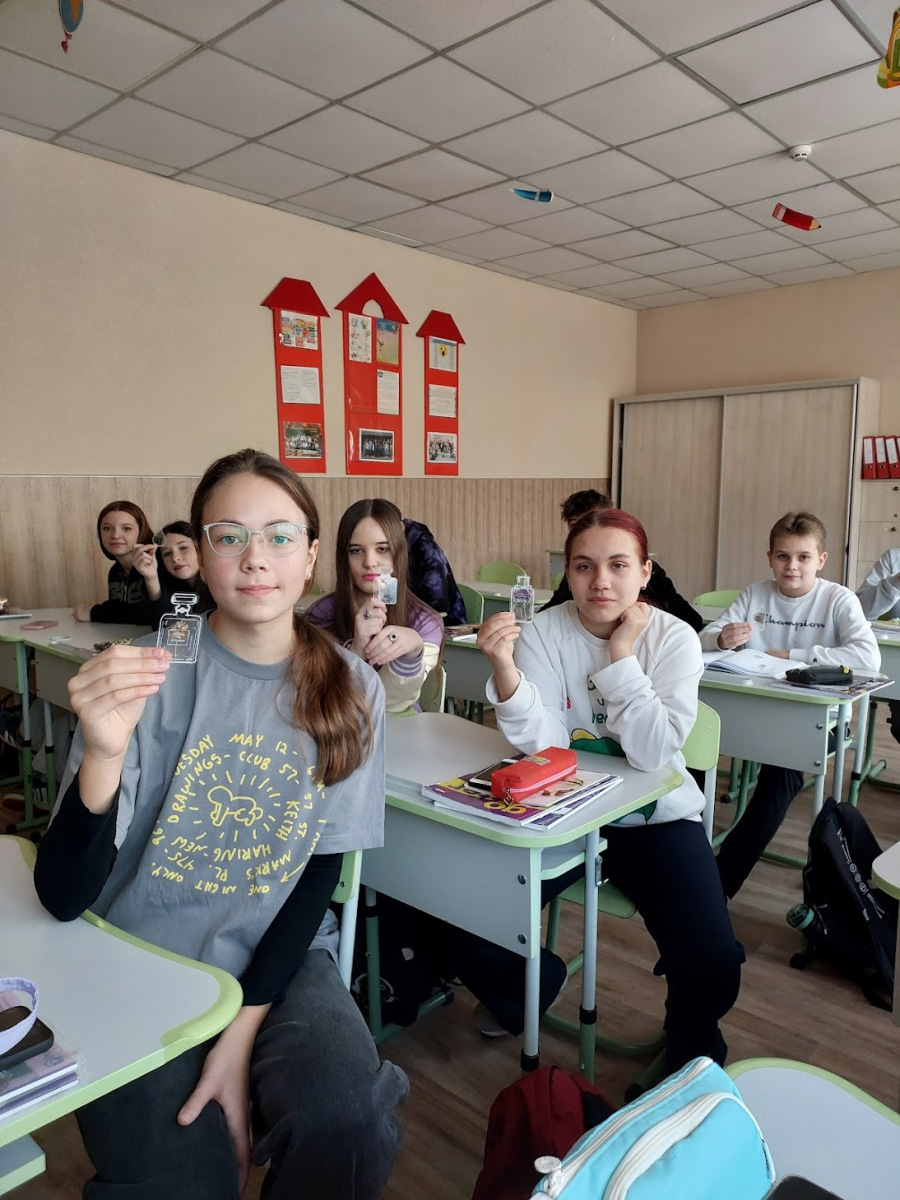
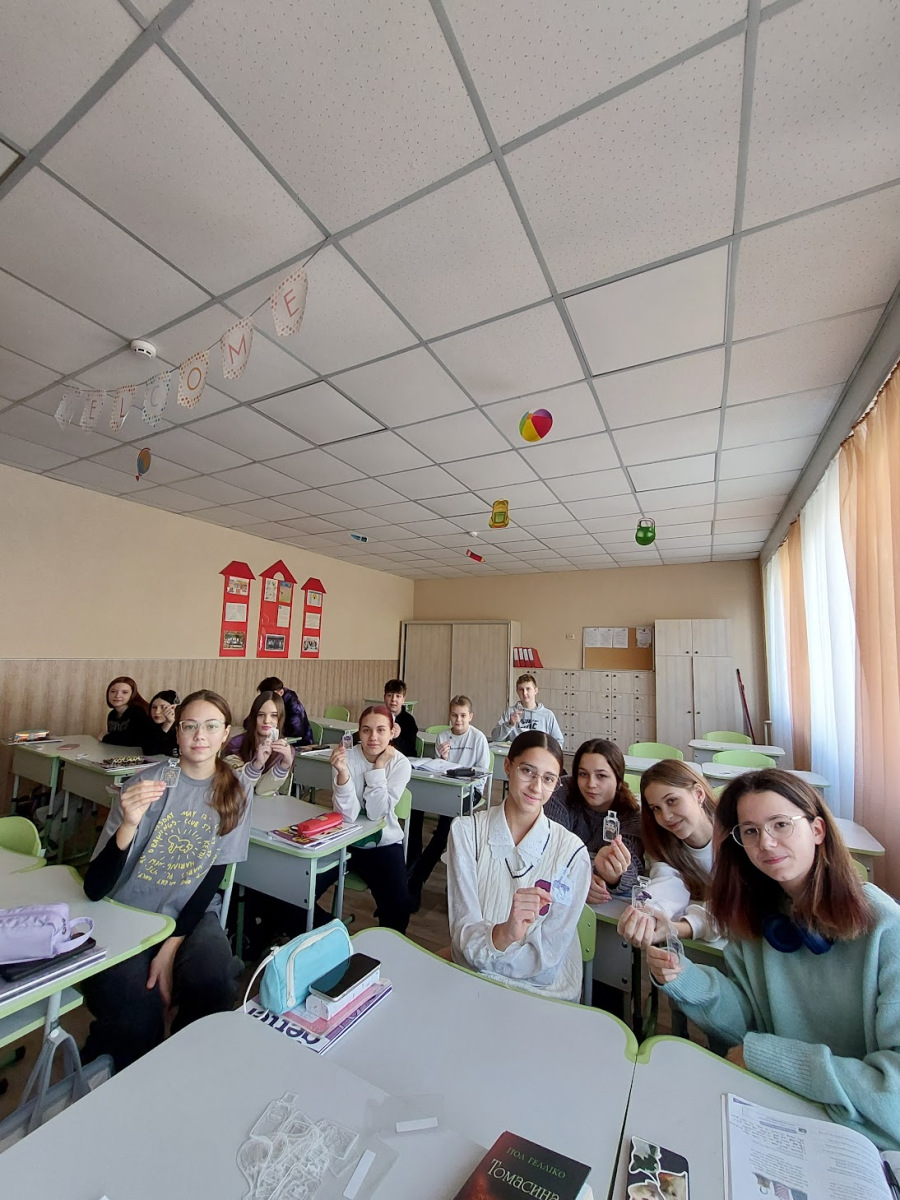
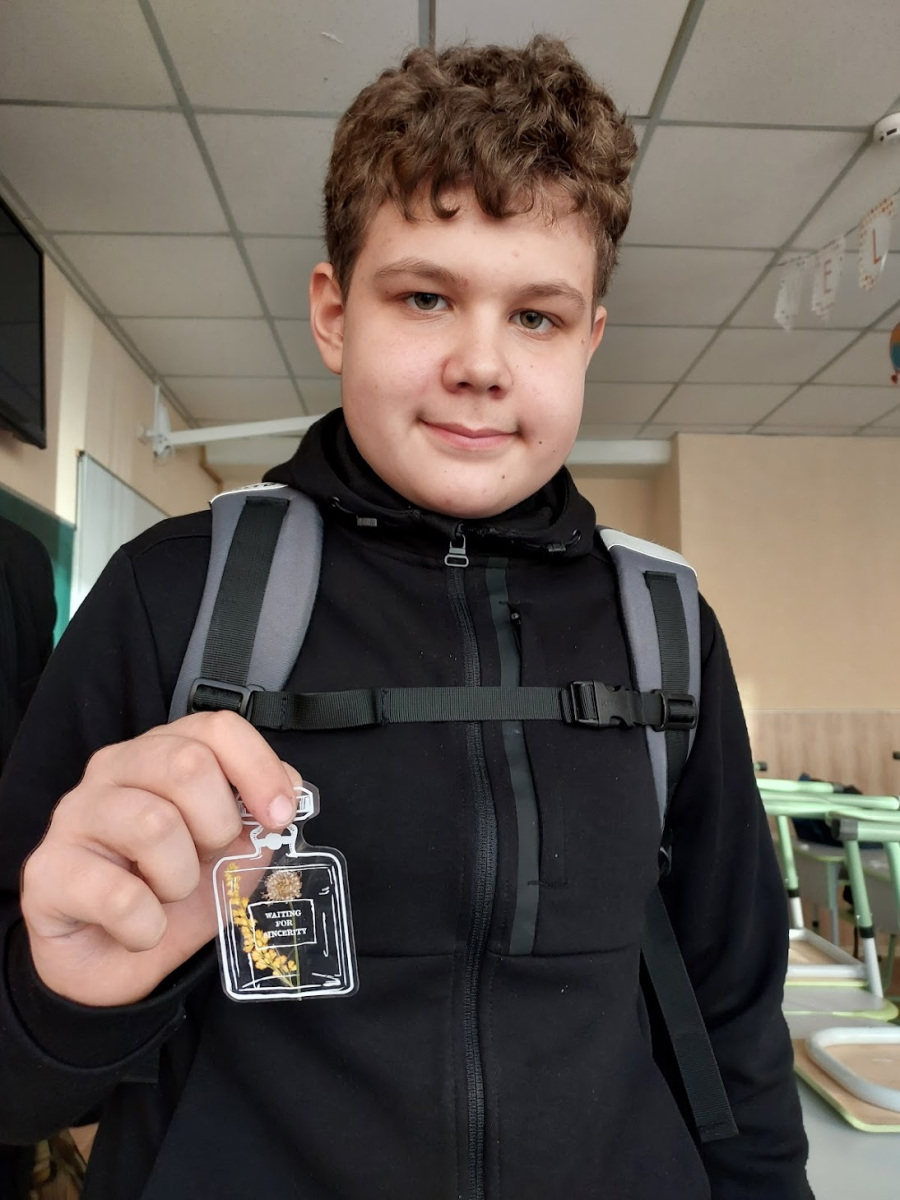
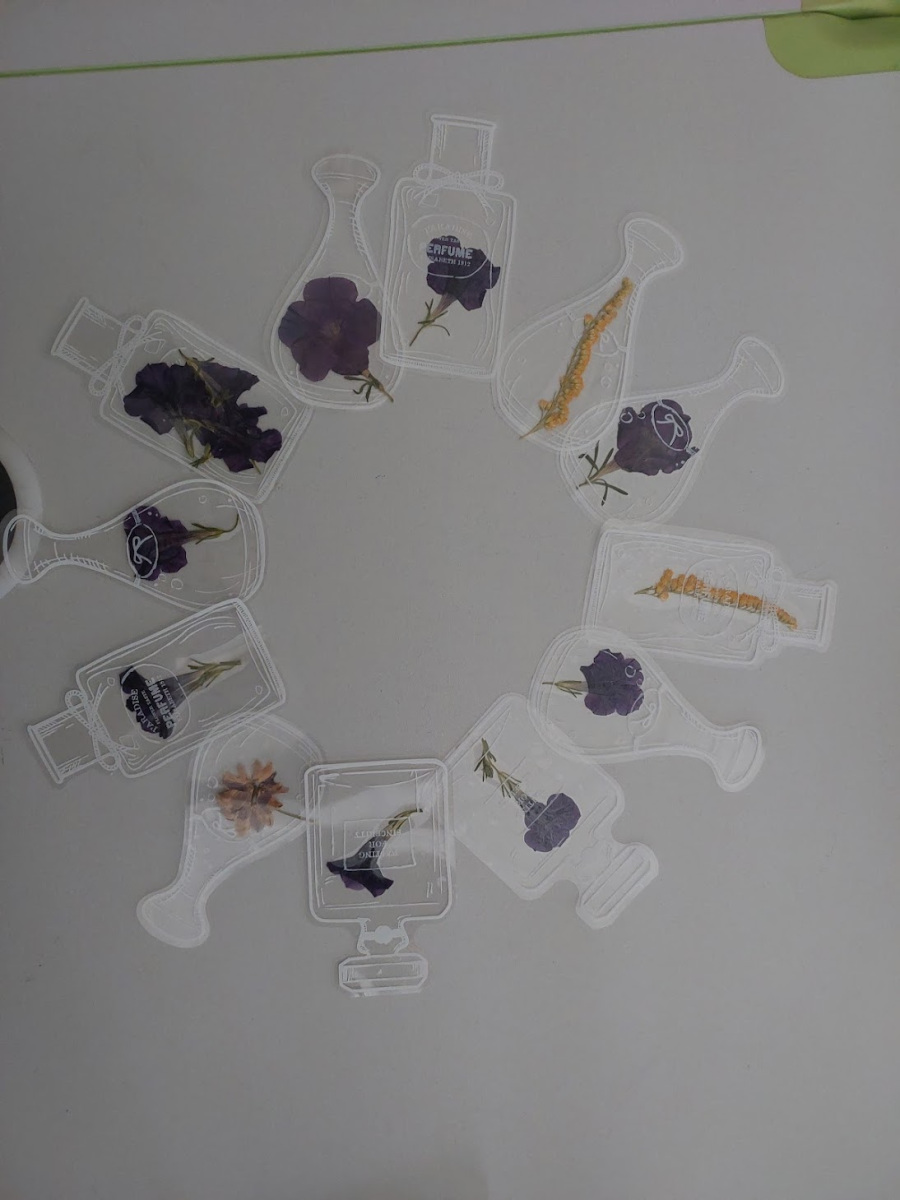
У рамках творчого проєкту “Літо в банці” восьмикласники реалізували цікаву ідею — створили унікальні закладки для книг із сухих квітів. Ця ініціатива не лише розкрила творчі таланти школярів, а й дозволила їм зберегти теплі спогади про літній сезон.
Проєкт “Літо в банці” став чудовим прикладом того, як поєднати творчість, природу й практичність у навчанні.